
Dear Therapist,
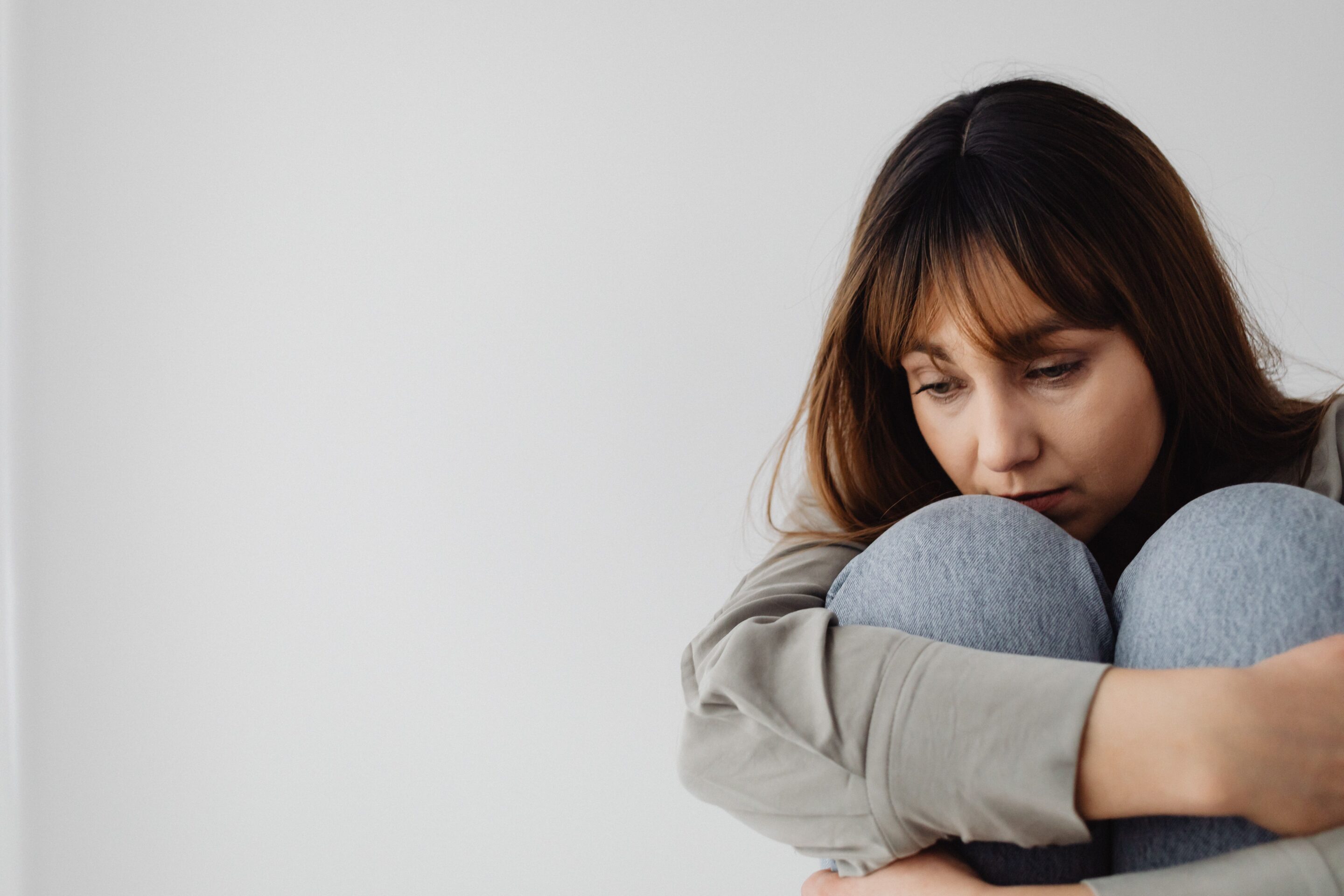
I am feeling really anxious in my relationship. I get anxious when my partner and I are apart. So much so that I find myself constantly checking my phone to see if they’ve texted me, analyzing how long it’s taking them to respond, checking their social media to see if they’re online, and even checking their location when I don’t hear from them.
When they decide to do something without me, I start overthinking and tell myself they are losing interest in me and might not want to be in the relationship anymore. When I try to talk to my partner about this, I often get upset very quickly and can say things I don’t mean, which pushes them away and makes me feel even more anxious.
Am I being needy and insecure, or is there something deeper going on? Constant contact makes me feel safer, but it’s annoying him. I read about anxious attachment, and it kind of sounds like me.
Sincerely,
Anxiously spiraling
––––––––––––––––––––––––––––––––––––––––––––––––––––––––––––––––––––––––––––––
Dear Anxiously Spiraling,
Feeling safe only when you’re in constant contact with your partner can take a real toll. I can see how that desire for closeness might look like neediness from the outside. While I can’t make a definitive call here, what you’re describing does sound like signs of an anxious attachment style.
Many people in relationships struggle with an anxious attachment, more than you’d expect, and understanding it more clearly is the first step toward feeling safer and more secure in yours.
What is an anxious attachment?
An anxious attachment style is the strong desire for close relationships, but having a deep fear of abandonment or rejection, and creates the need for reassurance and support often to feel safer in the relationship. Roughly 11-20% of the population is anxiously attached to their relationships (Mickelson, Kessler & Shaver (1997); Hazan & Shaver (1987)).
Some signs of anxious attachment include low self-esteem, prioritizing your partner’s needs over your own, and a persistent fear that your partner will reject or abandon you. It can also show up as separation anxiety and trouble doing things apart, hypervigilance to things going wrong in the relationship, assigning false meaning to your partner’s behaviors or moods, and intense emotional expression paired with difficulty self-soothing.
For more on what tends to drive this kind of anxiety in relationships, see 5 common reasons for relationship anxiety.
How does anxious attachment develop?
Our attachment begins developing from the moment we’re born. After a baby is born, the baby is often placed on the mother’s chest for skin-to-skin contact. This has a multitude of health benefits, and it also allows emotional bonding to begin, where both baby and mother can be soothed and calmed.
As we move into early childhood, our attachment system develops based on how reliably our caregivers respond to us. If a caregiver sometimes responds the way we need but other times takes a while, or doesn’t respond in an attuned way, we can begin to unconsciously build an internal working model, a template for how we expect closeness to work, that tells us caregivers are inconsistent and unreliable.
If your caregiver was inconsistent, you likely worked hard to get your caregiver’s attention, and as a baby, that usually meant noise. That pattern can reinforce the belief that you have to do something external to get your needs met. This same internal working model can carry over into your adult relationships.
How anxious attachment shows up in romantic relationships
Being an anxiously attached partner can shape how you show up with your partner. You may be more hypervigilant to even the smallest signs of disconnection. Often, this creates a negative cycle where the anxiously attached partner pursues their partner and the more avoidant partner withdraws. That cycle can leave the anxiously attached partner feeling even more anxious, which increases hypervigilance, reassurance-seeking, and people-pleasing in an effort to avoid rejection or abandonment.
The anxiously-awaited client dinner
A client, “Natalie,” with an anxious attachment in their relationship came to a session wanting to discuss how they anxiously spiraled when their partner, “Taylor,” went out to dinner with a client. Taylor shared their plans earlier in the week, and every day leading up to that dinner, Natalie’s anxiety just kept increasing.
Finally, Taylor’s scheduled dinner rolls around, and Natalie ruminates about how long they’ll be gone, anticipating an appropriate time they would be home, and wondering if Taylor is having a better time out without them.
During dinner, Natalie can’t stop checking her phone to see if Taylor texted them, checking their location to see if they’re still at the restaurant or on their way home, and looking at social media to see if they posted anything.
Natalie thought Taylor would be home by 8pm, but as the clock ticked away and another hour passed, the tightness in their chest and racing thoughts got worse.
Finally, at 10pm when Taylor walked through the door, Natalie could feel her body and mind relax. She finally felt safe again and was glad the anxiously awaited dinner was over with.
Natalie’s story is just one of many, and anxious attachment can show up in all sorts of ways, like:
- Frequently asking your partner “are we okay?” or “do you still love me?”
- Overanalyzing subtle shifts, like your partner being less affectionate, a change in tone, or a delayed response when you’re apart
- Wanting to be in constant communication when you’re not with your partner
- Increased jealousy, whether in person or on social media
- Having a hard time saying no, and saying yes instead out of fear of separation or of disrupting the relationship
Can my attachment style change?
Short answer: yes. Although attachment begins developing early, it doesn’t mean you’re forever an anxiously attached person. You could have had a secure attachment in childhood, and then, as you moved into relationships with a partner who was inconsistent or avoidant, or after a betrayal, your attachment can shift toward anxious. This can also happen within the same relationship, when events change its foundation, like infidelity, addiction, loss, conflict avoidance, or threats of abandonment.
Whether you entered the relationship with an anxious attachment shaped in childhood, or it shifted based on what happened later, you can move your attachment toward secure.
Help yourself shift from anxious attachment to secure attachment
In those anxious moments, when you’re hypervigilant, overthinking, and scared, it can be hard to believe it will ever look different. Thankfully, there are real ways to start moving toward secure attachment.
Begin with healing by understanding what triggers your anxiety and the sense of threat to the attachment, then reflect on your self-talk and any false meaning-making in moments of anxiety. Ask yourself whether a thought is a fact or a product of your anxiety, and practice replacing it with a more grounded one when it’s the anxiety talking.
Cultivate your own interests, hobbies, and goals outside of your relationship, so you’re not feeling an urgency to say yes to everything your partner wants to do. Foster other connections, like friends, family, and community, so your partner isn’t the only person you rely on for support, reassurance, and connection.
Set your own boundaries when separation from your partner triggers your anxiety. For example, when your partner goes to that dinner without you, set your phone in another room, turn off your notifications, or set a timer for yourself such as only checking your phone every hour.
Practice self-soothing when your anxiety flares up, whether that’s the urge to immediately text back, check social media, or check their location. Try deep breathing, a walk, something else you enjoy.
Clearly express your needs with your partner
Another important part of healing your anxious attachment is clearly expressing your needs with your partner. In moments of anxiety, you may find yourself snapping or blaming your partner. That may feel like an effort to communicate your need for closeness, but it may not land that way for your partner.
Here are some examples of how to communicate your emotions and needs with your partner in a more vulnerable way:
- Instead of saying: “You seem so distant. Do you even love me anymore?”
- Try: “I’ve been feeling a little disconnected from us the past couple of days, and I’m feeling some anxiety about it. Could we take a few minutes of quiet time together, just to reconnect and cuddle?”
- Instead of saying: “You take forever to respond to me. It takes five seconds to reply. I guess you don’t care about me.”
- Try: “When there are gaps in our communication throughout the day and we don’t check in, I start to feel anxious and tell myself I’m not important to you. I know you have a lot going on at work, but there’s a part of me that feels worried and scared. Moving forward, a quick check-in like ‘Super busy today, love you!’ helps me feel so much better when we’re apart.”
- Instead of saying: “You always want to do things without me. I must not be a priority to you.”
- Try: “When I see you making plans or spending time on hobbies without me, I start to feel really lonely and unimportant, like I’m not a priority in your life. I know you need your independence, and I want you to have that, but underneath, I get scared that we’re drifting apart. I really crave that feeling of having something special for the two of us. Could we make sure we have at least one or two things we do together each week, so I feel like I’m important to you?”
Breaking the anxious cycle
We often internalize what’s happening for us in our relationship and try to deal with it on our own because we don’t want to burden our partner and push them away. Yet, if you or your partner don’t know the emotions, meaning making, and needs that come up in those moments where your anxiety spikes, it can be hard to try and break the cycle to move towards feeling more secure.
Take the time and care to reflect on your anxiety and the deeper root it attaches to. Then, instead of blaming, share your deeper emotions, fears, and longings with your partner. Approaching with vulnerability instead of blame will allow your partner to disarm and be there for you in a way you have been hoping for.
Intentional, open-hearted vulnerability with your partner can lead to more moments that break the anxious cycle and foster a more secure relationship.
Sincerely,
Need more support moving toward secure attachment?
If you want more support working through anxious attachment on your own or in your relationship, individual therapy or one of our skill-based support groups may be a great fit for you.